Volkswagen 4MOTION AWD Explained: How It Works, Why It Matters, and Who It’s For
All-wheel drive is no longer a specialty feature reserved for off-road vehicles or extreme conditions. Today, it plays a central role in how modern...
Read more
New Sudbury VW
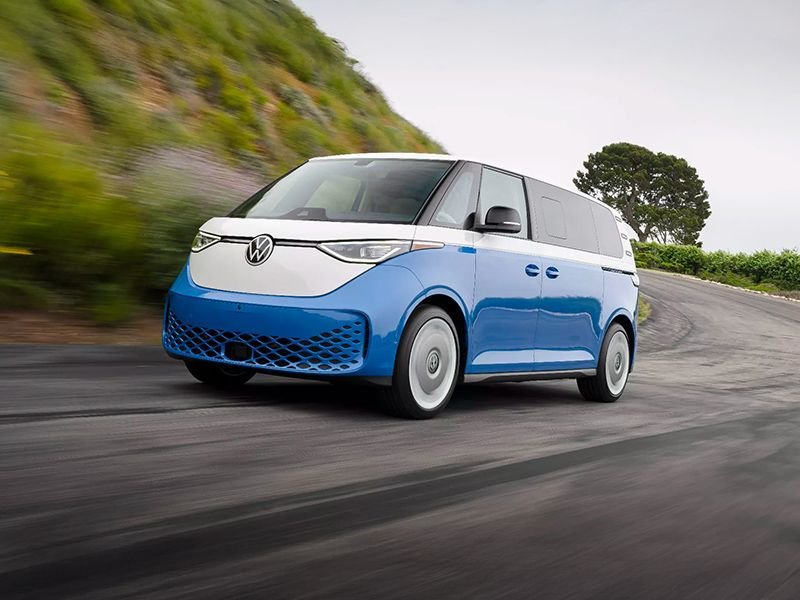
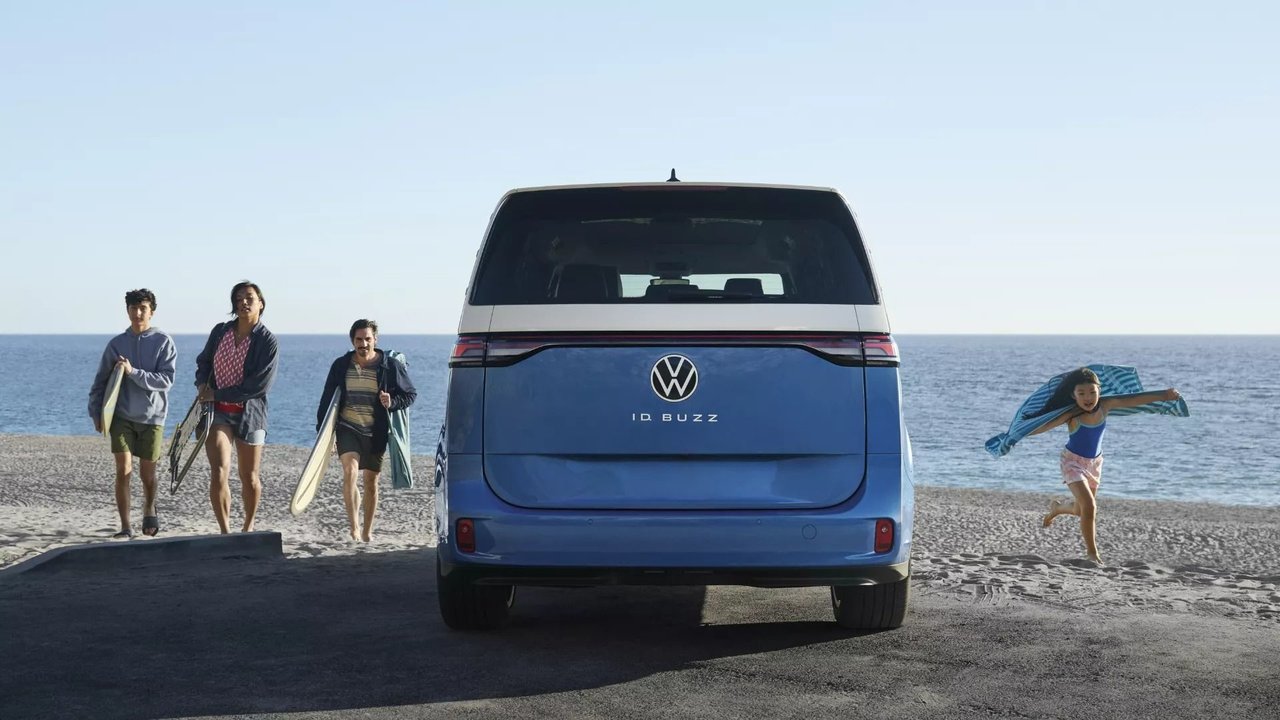
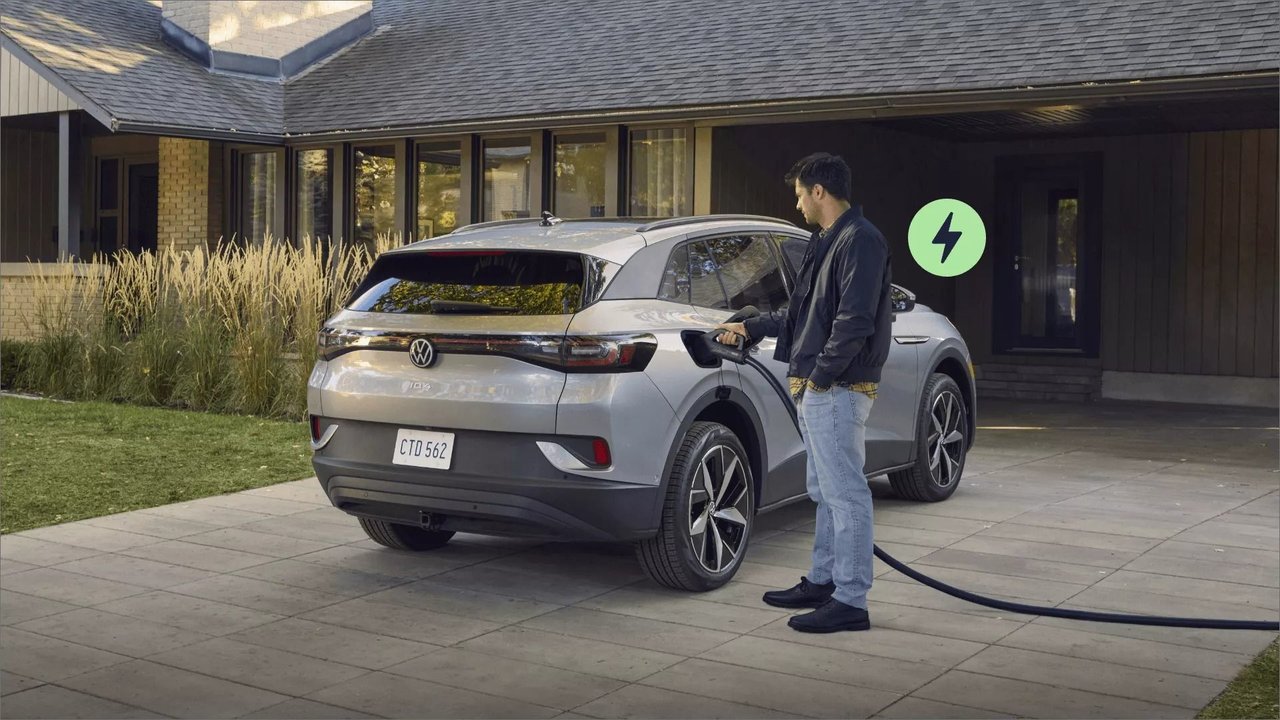
1593 Lasalle Blvd, Sudbury, ON, P3A 1Z8Volkswagen’s all-electric vehicles—the ID. Buzz and the ID.4—offer both practicality and performance, but their real-world range can vary significantly depending on how they’re driven and maintained. While advertised range estimates offer a helpful benchmark, actual mileage depends on a wide array of variables. Understanding these factors and applying consistent best practices can help drivers stretch their range and maximize their EV ownership experience.
At the heart of the ID. Buzz and ID.4 are high-capacity lithium-ion batteries that power dual-motor or rear-motor drivetrains. These batteries are designed to provide hundreds of kilometres of range on a full charge. However, external factors like driving habits, temperature, terrain, tire condition, and even cabin climate settings can affect total range more than most new owners realize.
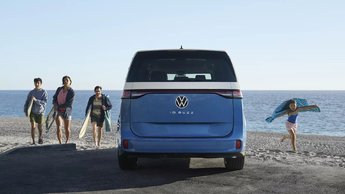
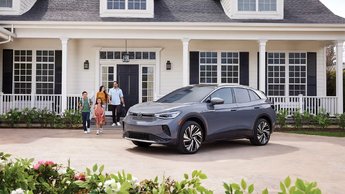
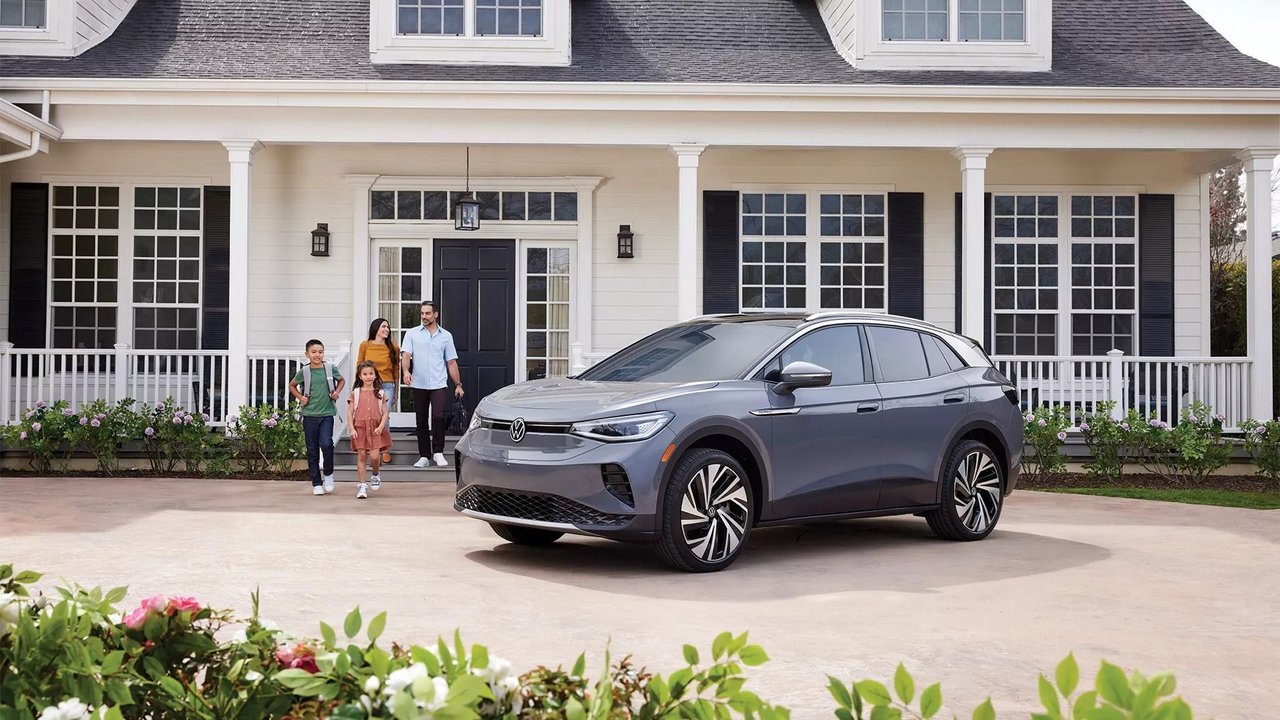
The ID.4, for example, offers up to 468 km of estimated range in its Pro rear-wheel-drive variant, while the ID. Buzz in its long-wheelbase version, is estimated to achieve around 420–435 km depending on the configuration. But for drivers who want to push that number consistently closer to the top end—or even beyond in city driving conditions—small behavioural shifts can pay large dividends.
Electric drivetrains offer instant torque, but heavy-footed acceleration can drain a battery at a remarkable rate. By driving smoothly, avoiding rapid acceleration and hard braking, and using regenerative braking modes when appropriate, drivers can make substantial gains in efficiency. The ID. Buzz’s regenerative system, for example, can capture energy during deceleration and return it to the battery—essentially converting stop-and-go traffic into usable energy.
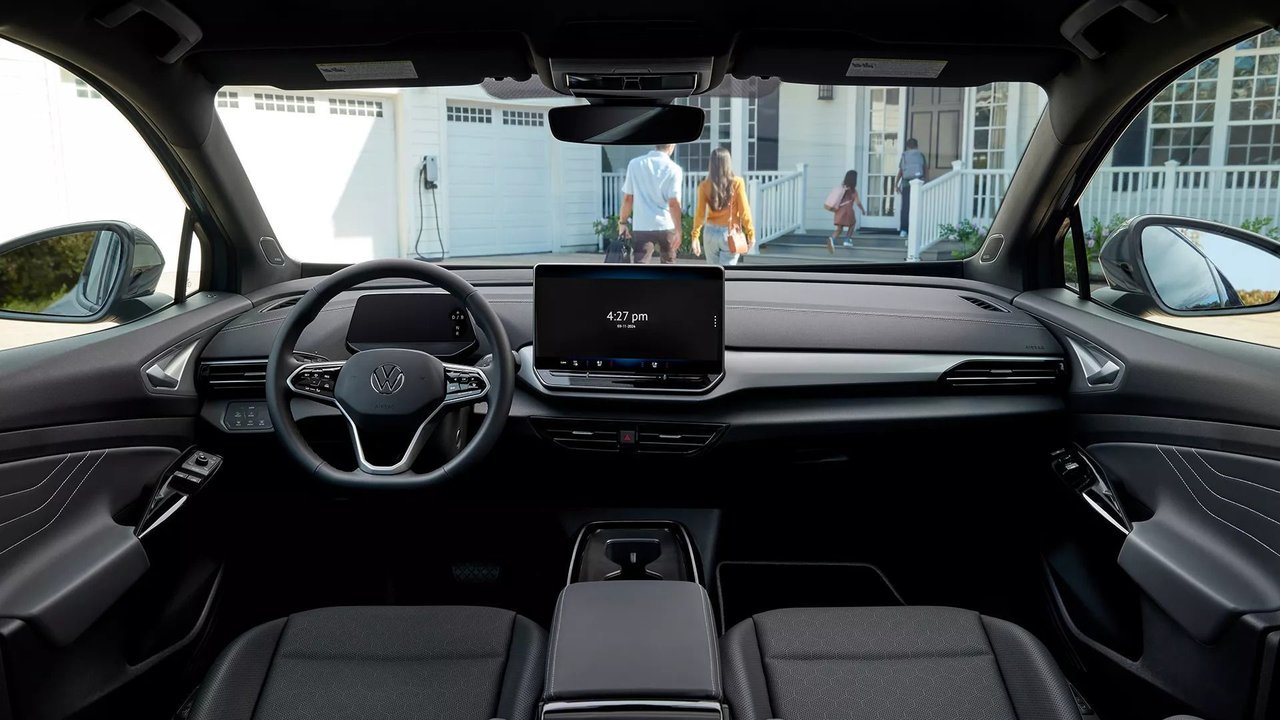
Cruising at consistent speeds on the highway, using the “Eco” driving mode, and avoiding abrupt changes in velocity all contribute to extending your range. The built-in efficiency coach within the infotainment system provides real-time feedback on driving style and energy use.
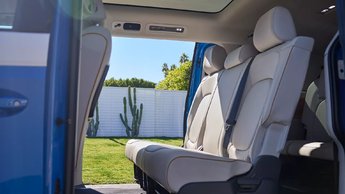
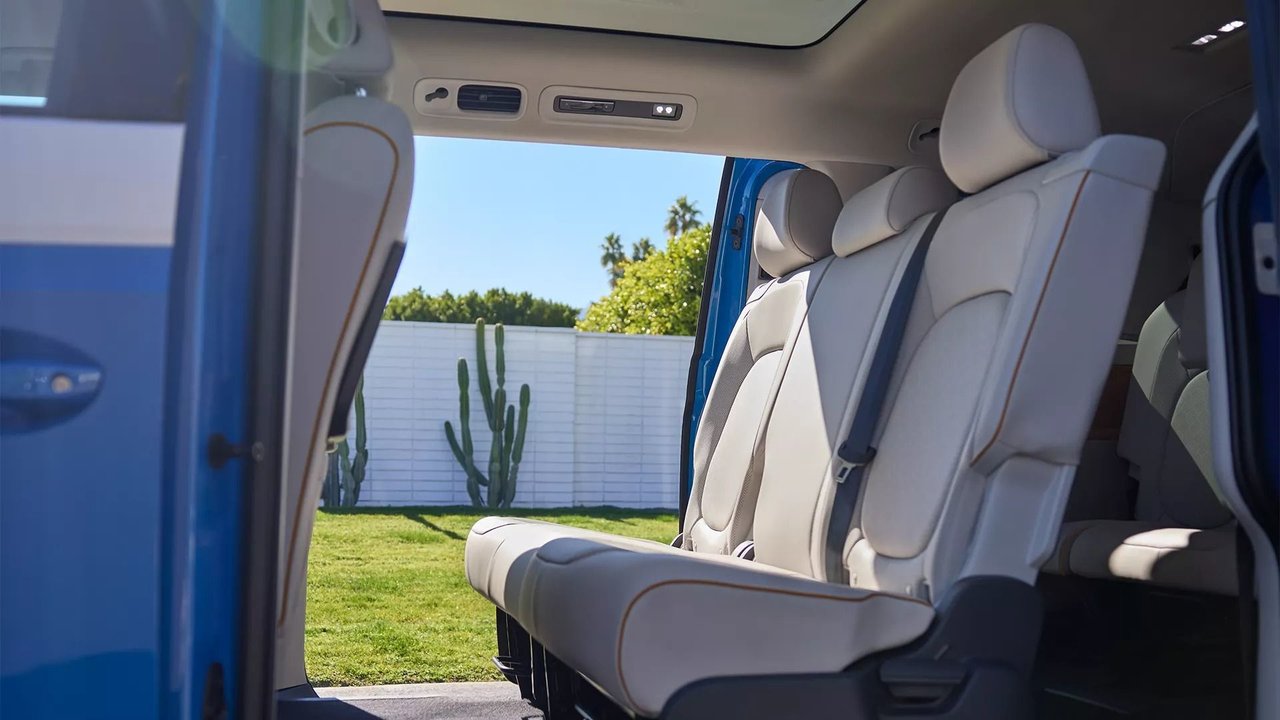
One of the most energy-hungry features in any EV is the climate control system. Heating or cooling the spacious cabin of a vehicle like the ID. Buzz can draw considerable power, especially in colder climates. Pre-conditioning the cabin while the vehicle is still plugged in allows drivers to warm or cool the interior using external power instead of battery reserves. This feature is accessible through the MyVolkswagen app or directly via the infotainment screen.
In warmer months, using seat ventilation or partial windows instead of the full air conditioning system can help reduce power draw. Similarly, in winter, seat and steering wheel heaters are far more efficient than cranking the cabin heat.
Underinflated tires increase rolling resistance and can reduce range by up to 10%. Both the ID. Buzz and ID.4 use low-resistance tires specially developed to enhance range, but they only work optimally when properly inflated. Checking tire pressure regularly—especially during seasonal changes—is one of the simplest ways to preserve range.
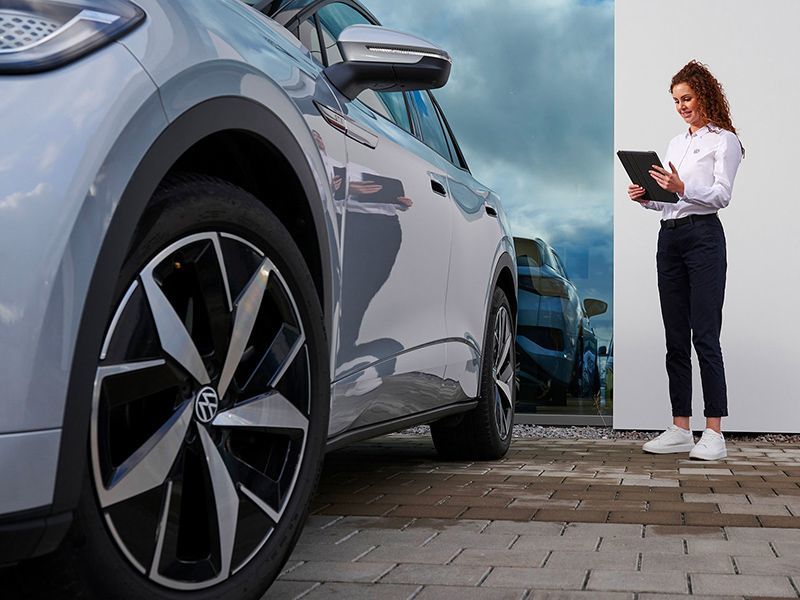
Routine maintenance, including software updates and brake servicing, also plays a role. Regenerative braking systems require properly functioning components to work efficiently, and Volkswagen’s over-the-air software updates often include improvements to energy management algorithms.
The built-in navigation system in both the ID.4 and ID. Buzz does more than direct you to your destination. It also calculates routes that optimize elevation changes and avoid energy-draining traffic congestion when possible. Using navigation, especially when integrated with charging stop planning, ensures you’re always operating within an efficient route profile. In highway conditions, driving slightly below the speed limit can yield dramatic gains over long distances without significantly increasing travel time.
Volkswagen’s commitment to smart mobility is evident in how its EVs interact with infrastructure. With proper planning, drivers can reach their destinations while using less battery than expected, making every charge last longer.
Volkswagen 4MOTION AWD Explained: How It Works, Why It Matters, and Who It’s For
All-wheel drive is no longer a specialty feature reserved for off-road vehicles or extreme conditions. Today, it plays a central role in how modern...
Read more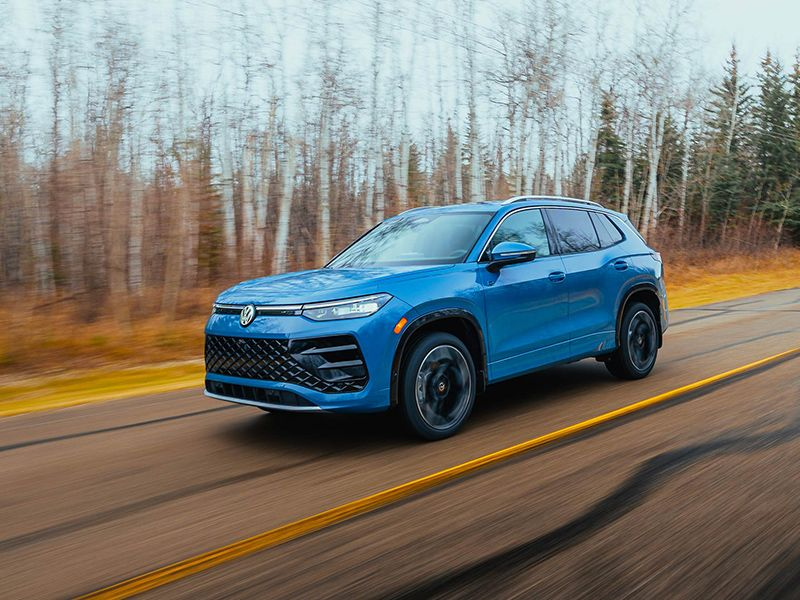
Your Guide to the 2026 Volkswagen Tiguan Turbo
Volkswagen’s Tiguan has always been about balance—offering space, comfort, and everyday usability in a package that feels thoughtfully engineered....
Read more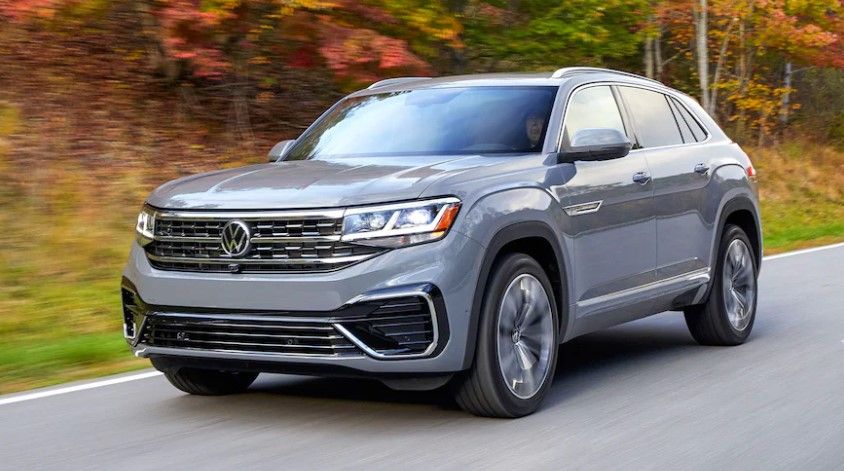
2023 Atlas Cross Sport
The 2023 Volkswagen Atlas Cross Sport launched three years ago and quickly it became a very popular SUV for buyers in Ontario, especially Northern...
Read morePowered and developed by
